1300 786 560
 Australia
Australia
Australia
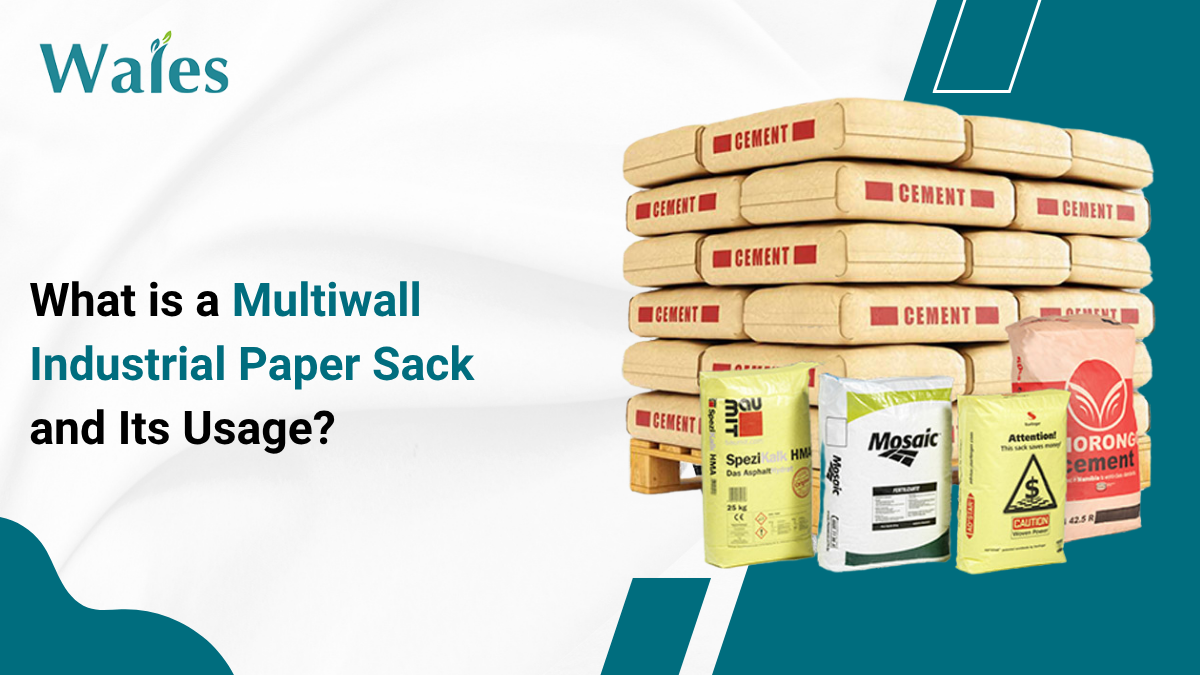
In today’s packaging world, companies are always looking for strong, eco-friendly, and affordable ways to keep their products safe while fitting different industry needs. One packaging option that has become very popular is the multiwall industrial paper sack. These sacks are used in many areas like food, farming, building, and chemical industries. They are tough, can be shaped in different ways, and are good for the environment, which is why they are used a lot in worldwide shipping and storage.
This article explains what a multiwall paper sack is, how it is made, and the many ways it is used in different industries.
A multiwall industrial paper sack is a strong packaging made from several layers of kraft paper, and sometimes with other materials like plastic film or foil. This construction gives it great strength, helps it resist tearing, and keeps it safe from wetness or dirt. The number of layers can vary, usually from two to six, which allows the sack to be both strong and adaptable depending on what it’s holding.
Single-layer paper bags are only good for light items, but multiwall sacks are built for heavier and bulkier goods, often holding between 5 kg and 50 kg each.
The manufacturing process involves:
The result is a robust packaging solution capable of withstanding rough handling, stacking, and transportation challenges.
The significance of multiwall sacks stems from their capacity to achieve several goals: they safeguard product quality, enable safe handling, facilitate easy transportation, and reduce environmental impact. In contrast to plastic-based packaging, which often presents sustainability issues, paper sacks are mainly made from renewable resources and are recyclable and biodegradable.
As global industries grow more environmentally aware, the role of multiwall industrial paper sacks has gone beyond functionality—they now represent a company’s dedication to sustainability and innovation.
Multiwall paper sacks are widely used for packaging bulk food ingredients such as flour, sugar, rice, grains, coffee, and milk powder. Their barrier properties help maintain freshness while protecting against contamination. For food-grade applications, sacks can be designed with hygienic liners to comply with strict safety regulations.
Farmers and agricultural suppliers rely heavily on these sacks for seeds, animal feed, and fertilizers. The strength of multiwall sacks ensures products remain intact during storage and transport, even in demanding rural conditions.
One of the largest users of multiwall industrial sacks is the construction sector. Cement, lime, gypsum, and dry mortar products are often packed in these sacks due to their ability to handle heavy loads without breaking. Valve sacks are commonly used here for fast and dust-free filling.
From powdered chemicals to minerals such as kaolin, bentonite, and carbon black, multiwall paper sacks offer safe and compliant packaging. The multi-layered structure minimizes leakage and prevents exposure to potentially hazardous materials.
Beyond bulk storage, industries such as pet food and specialty agricultural products also prefer multiwall sacks. They can be customized with attractive printing, branding, and user-friendly designs that make them suitable for consumer-facing products.
The popularity of multiwall industrial paper sacks comes from their exceptional blend of performance and sustainability.
First, their durability makes them suitable for stacking in warehouses and withstanding rough handling during transport, which helps reduce product loss. Second, their customizable designs allow industries to tailor sack specifications for different applications, such as moisture barriers for food items or anti-static features for chemical powders.
In terms of sustainability, multiwall sacks are mostly made from renewable kraft paper, making them recyclable and biodegradable. This aligns with global efforts to reduce plastic packaging waste, and for companies looking to meet stricter environmental regulations, transitioning to paper sacks is both a practical and responsible decision.
While traditional paper sacks have been used for decades, modern innovations have transformed their functionality. Advanced printing technology allows businesses to brand their sacks effectively, turning packaging into a marketing tool. Likewise, hybrid designs with integrated polyethylene liners or aluminum foil ensure protection against oxygen, moisture, or grease—extending the usability of multiwall sacks to even more sensitive products.
Valve technology has also improved filling efficiency in industries like cement and flour, where dust-free and automated filling is crucial. This highlights how multiwall paper sacks continue to evolve, meeting both industrial standards and consumer expectations.
Selecting the right paper sack depends on several factors, including product type, storage conditions, transportation requirements, and environmental regulations. For example:
Working with an experienced packaging manufacturer ensures businesses get the right balance of durability, functionality, and compliance.
Multiwall industrial paper sacks are much more than just packaging; they play a vital role in global supply chains, ensuring safe, efficient, and sustainable storage and transportation across various sectors. From food and agriculture to construction and chemicals, these sacks offer unmatched durability, protection, and eco-friendly performance.
As industries shift toward greener and more efficient solutions, the role of multiwall paper sacks is expected to grow. For businesses aiming to balance performance with sustainability, investing in high-quality multiwall sacks is both a practical and forward-thinking choice.
At Wales Industries, we specialize in providing premium multiwall industrial paper sacks tailored to your industry’s needs. With a commitment to quality, innovation, and sustainability, our solutions ensure your products remain safe, fresh, and secure throughout the packaging journey.
Contact Wales Industries today to explore our wide range of multiwall paper sacks and discover how we can help your business achieve packaging excellence.
Australia
 中国 (China)