1300 786 560
 Australia
Australia
Australia
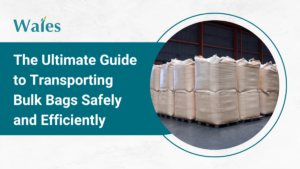
In industries like agriculture, construction, mining, and chemicals, Bulk Bags—also known as FIBCs (Flexible Intermediate Bulk Containers)—are crucial for storing and transporting dry, flowable materials. Despite their comfort and high capacity, improper handling of Bulk Bags can lead to product loss, workplace wounds, or even equipment damage.
To help you and your team be as efficient and safe as possible, it is important to understand what to do and what not to do for Bulk Bag handling. Whether you are a warehouse manager, forklift operator, or purchasing agent, this guide will provide some helpful ways to understand the basic dos and don’ts of Bulk Bag use.
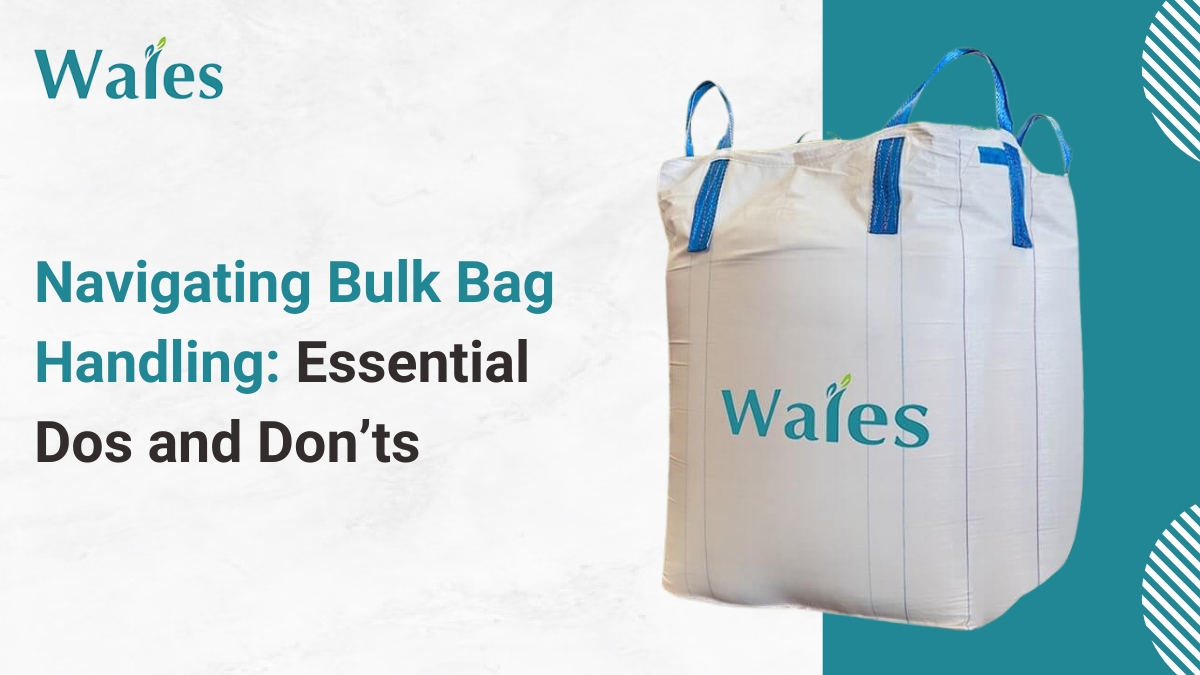
A Bulk Bag, sometimes called a FIBC, is a large flexible container made from woven polypropylene fabric to hold and transport a variety of materials such as sand, seeds, chemicals, pellets, and powders. These bags are economical, they save space, and they weigh on average no more than 6-9 kg and can be rated to hold up to 2000 kg or more, depending on the bag style and specifications.
From 1- and 2-loop Bulk Bags to 4-loop and UN-certified choices, there’s a Bulk Bag type suited for every industry. However, regardless of the model, proper handling is vital for operational success.
Always review a Bulk Bag before lifting or filling. Look for:
Damaged Bulk Bags can present a safety risk and should be safely disposed of at the first opportunity.
Use forklifts, hoists, or cranes that have properly spaced fork tines or hooks that are designed for Bulk Bag loops. Ensure the lifting equipment is rated for the weight of the bag and does not have sharp edges that could damage any of the lifting loops.
Ensure that you always use all of the designated lifting loops. Lifting from one or two loops (on a 4-loop Bulk Bag) can cause tearing or unevenly distributed loads, and thereby risk both the product and the people who handle it.
Lifting a Bulk Bag at an angle or from an off-base position can result in tipping, shifting loads, or harming the substance. Maintain a vertical and balanced lift to ensure safe handling.
Proper storage protects the bag and product from being damaged by the environment:
UV and moisture can deteriorate the polypropylene, which can lead to permanent deterioration of the product and also the Bulk Bag.
Ensure there is training for all personnel who handle bulk bags. This must include training on: the pertinent weight limits; how to lift properly; what to do in the case of spillage/leak, or a breakage.
Every Bulk Bag will have a Safe Working Load (SWL) and a Safety Factor (SF) written on the label. Never stuff beyond the SWL, because it can lead to bag failure or equipment strain.
Dragging a Bulk Bag, especially over rough surfaces, can tear the fabric or weaken the base. Continuously lift and transport utilizing suitable machinery instead.
Sharp and narrow hooks and forks that weren’t designed for Bulk Bags can damage the loops and make it unsafe to handle. Always use approved lifting devices with smooth edges and approved for Bulk Bags.
This is a simple safety rule. Even when using high-quality bags and hardware, there is always a risk of failure. Always keep personnel away from hanging bags and take appropriate action in handling these bulk bags to avoid very serious injuries.
Single-use Bulk Bags were not meant to be moved and reused. Repeatedly moving them leads to compromised integrity and spillage, contamination, or breaks. Only reuse certified multi-trip bags if they meet current safety guidelines.
When you are handling conductive materials or producing something in a combustible atmosphere, you will be required to use Type C (Conductive) or Type D (Static Dissipative) Bulk Bags. Always follow grounding requirements to avoid static discharge and potential explosions.
Not all Bulk Bags are made equal. For example:
Understanding your material and transport needs ensures you select the right bag type, improving both safety and efficiency.
Set up a system for:
These measures help decrease item loss and keep your supply chain streamlined.
Proper Bulk Bag handling isn’t close to compliance—it impacts your whole operation:
As supply chains become more complex and time-sensitive, effective bulk material handling becomes a competitive advantage.
Knowing the dos and don’ts of Bulk Bag handling is essential in maintaining safety, reducing product loss & increasing efficiency in operations. Educating your staff & having proper procedures and equipment will result in a safer, smoother, and more productive work environment.
Whether you’re dealing with construction materials, agricultural products, or chemical powders, responsible Bulk Bag handling should be part of your standard operating strategy. It’s an investment in security, savings, and supportability.
Wales Industries is a trusted manufacturer and provider of durable, productive, and secure Bulk Bags tailored to your industry needs. From ventilated FIBC bags to UN-certified options, we offer solutions engineered for execution and compliance.
Contact Wales Industries today to explore our full range of Bulk Bag products and elevate your material handling procedure!
Australia
 中国 (China)