1300 786 560
 Australia
Australia
Australia
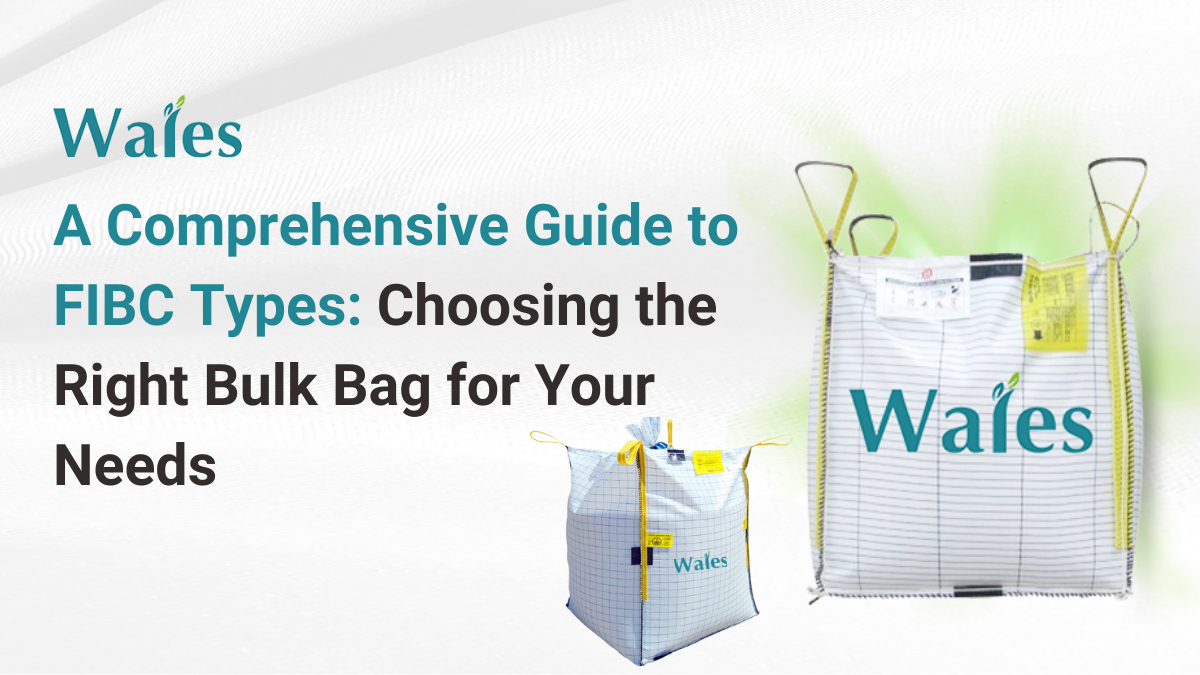
Flexible Intermediate Bulk Containers (FIBCs), commonly known as bulk bags, are large industrial containers designed to store and transport dry, flowable products such as sand, fertilizers, grains, and chemicals. These versatile bags have become an essential part of supply chains across various industries due to their cost-effectiveness, durability, and ability to handle large volumes of materials. However, not all FIBCs are created equal. There are different types of FIBCs, each designed for specific applications and requirements. In this blog, we’ll explore the various FIBC types, their features, and how to choose the right one for your needs.
FIBCs are large, flexible containers typically made from woven polypropylene fabric. They are designed to hold between 500 kg to 2,000 kg of material, making them ideal for bulk handling. FIBCs are widely used in industries such as agriculture, construction, pharmaceuticals, food processing, and chemicals. They offer several advantages, including:
However, to maximize these benefits, it’s crucial to choose the right type of FIBC for your application. Let’s dive into the different types of FIBCs available.
FIBCs are categorized based on their design, construction, and intended use. Here are the most common types:
Type A FIBCs are the most basic and economical type of bulk bags. They are made from plain polypropylene fabric without any special coatings or liners. These bags are suitable for transporting non-flammable, non-static-sensitive materials such as sand, grains, and fertilizers.
Type B FIBCs are designed to reduce the risk of static electricity, making them suitable for handling flammable or combustible materials. These bags are made from polypropylene fabric with a low breakdown voltage, which prevents the formation of propagating brush discharges (PBDs). However, they do not provide protection against sparks or lightning-like discharges.
Type C FIBCs, also known as conductive FIBCs, are designed to safely handle highly flammable or combustible materials. These bags are made from non-conductive polypropylene fabric interwoven with conductive threads, which provide a continuous path for static electricity to dissipate. Type C FIBCs must be grounded during use to prevent the buildup of static charges.
Type D FIBCs are the most advanced type of bulk bags, offering static protection without the need for grounding. These bags are made from anti-static fabric that prevents the buildup of static electricity through a process called corona discharge. Type D FIBCs are ideal for environments where grounding is impractical or impossible.
Food-grade FIBCs are specifically designed for the safe storage and transportation of food products. These bags are made from BRC-approved facility that are free from harmful chemicals and contaminants. Food-grade FIBCs often include liners to protect the contents from moisture, pests, and contamination.
Recycled FIBCs are an eco-friendly option made from recycled polypropylene. These bags are ideal for companies looking to reduce their environmental impact. While they may not be suitable for all applications, recycled FIBCs are a cost-effective and sustainable choice for non-hazardous materials.
Custom FIBCs are tailored to meet specific requirements, such as size, shape, lifting mechanisms, and printing. These bags are ideal for companies with unique needs or branding requirements. Custom FIBCs can be designed to include features like baffles, spouts, and liners.
Selecting the right FIBC type depends on several factors, including the material being transported, environmental conditions, and safety requirements. Here’s a step-by-step guide to help you make the right choice:
FIBCs are an indispensable tool for industries that require efficient and cost-effective bulk material handling. By understanding the different types of FIBCs and their unique features, you can choose the right bulk bag for your specific needs. Whether you’re handling flammable chemicals, food products, or construction materials, there’s an FIBC type designed to meet your requirements.
Whether you’re handling flammable chemicals, food products, or construction materials, Wales Industries offers FIBC types designed to meet your exact requirements. When selecting an FIBC, always prioritize safety, compliance, and durability. Investing in the right type of FIBC will not only enhance your operational efficiency but also ensure the safe and secure transportation of your materials.
If you’re unsure which FIBC type is best for your application, consult with Wales Industries—a reputable supplier committed to providing expert guidance and customized solutions tailored to your needs.
By making an informed decision, you can maximize the benefits of FIBCs and streamline your supply chain operations. So, take the time to evaluate your needs and choose the FIBC type that’s right for you. Your business—and your bottom line—will thank you.
Australia
 中国 (China)