1300 786 560
 Australia
Australia
Australia
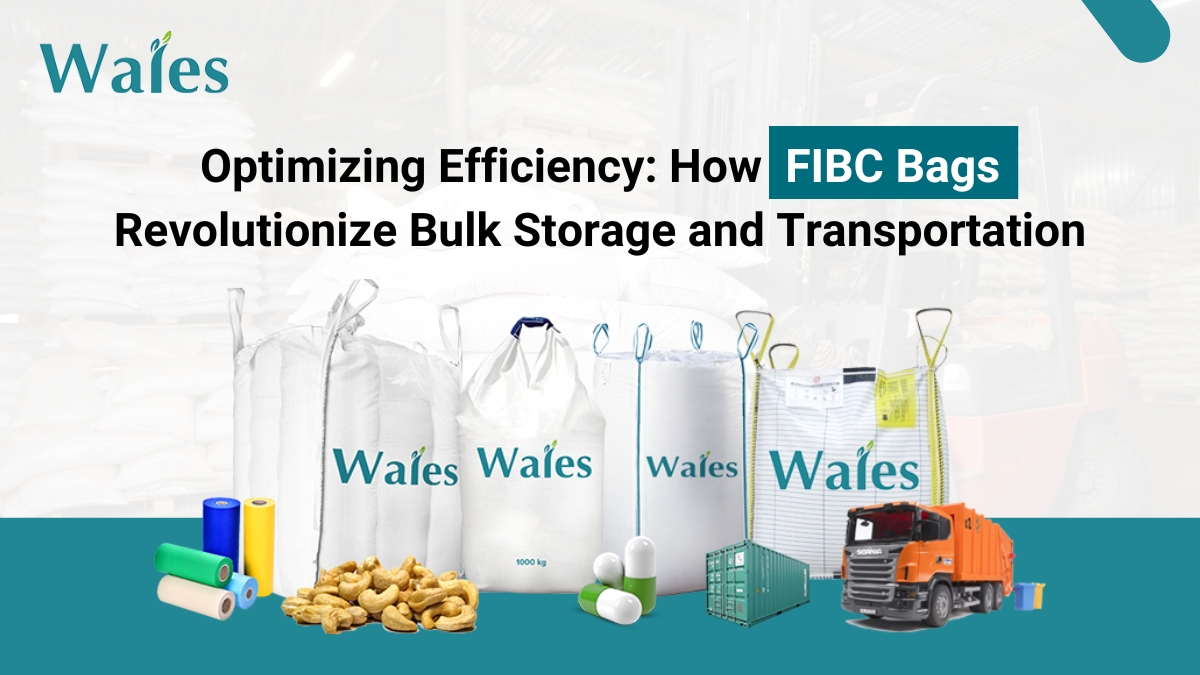
In industries where bulk commodities have to be processed or stored, fields such as agriculture, chemicals, construction, and food processing, bulky products are often moved and stored without adequate packaging. Enter Flexible Intermediate Bulk Containers (FIBC) bags, also known as jumbo bags. These industrial containers let you transport dry, flowable products in bulk capacity, safely and effectively.
In this blog post, we will address how FIBC bags facilitate bulk storage and transportation, analyze their inherent background, types of FIBC bags, best practices, and examples of FIBC bags in use; and why FIBC Bags have been your best option given how smart you are to leverage packaging as part of scalable fulfillment.
FIBC bags are flexible, large-volume containers made from woven polypropylene fabric that safely carry loads between 500 kg to 2000 kg with terrific strength, maneuverability, and space-saving capabilities. They are not only portable and safe, but also can be used to store and transport many bulk materials – sand, grain, cement, fertilizer, chemicals, plastics, etc.
Depending on industry vernacular, FIBC bags may also be referred to as big bags, bulk bags, or jumbo bags. These bags have also become more mainstream in supply chains today due to being lightweight, economical, and customizable.
There are a few bulk bags on the market with the exceptional load-carrying capacity of FIBC bags—they can hold up to 2 metric tons in an individual bag. FIBC bulk storage bags are extremely lightweight, allowing for even less shipping cost without sacrificing strength.
FIBC bags are designed to be collapsible and stackable. When full, the design of the bag allows for the bags to be easily stacked into a space; when empty, the FIBC bags can be flat-folded to free up a great deal of space in the reverse logistics or storage.
FIBC bags can be customized according to your needs:
This level of flexibility means that FIBC bags can be used in nearly every industry.
FIBC bags can either be made with integrated lifting loops, allowing for ease in moving the bags with cranes/forklifts. This minimizes manual labour, allows for faster ability to unpack or empty, and minimal chance of damage during handling, which all result in reduced risk & more efficient processes in the landfill, repackaging, warehouse, and transport processes.
FIBC Bags are made from woven polypropylene and are naturally resistant to moisture, UV rays (when using UV-stabilized bags), and tears, so your merchandise stays safe in less-than-perfect environments.
Fortunately, various types of FIBC bags allow for flexible use cases:
FIBC Type |
Best For |
| Standard FIBC Bags | General-purpose storage and transport |
| Baffle Bags (Q Bags) | Retain shape when stacked or shipped |
| Conductive (Type C) | Flammable materials or environments sensitive to static |
| Type D Bags | Safe discharge without grounding, in explosive environments |
| Ventilated FIBC Bags | Agricultural materials, like potatoes or firewood |
| UN Certified FIBCs | Transporting hazardous materials in compliance with UN regulations |
Whether you’re handling grain in a field or chemical compounds in a warehouse, an FIBC bag is out there for you.
Farmers and agribusinesses use FIBC bags for storing and transporting grains, seeds, fertilizers, and soil additives. Because of their breathability and durability for outdoor use, they are ideal for these purposes.
Cement, sand, gravel, and aggregates are generally heavy. FIBCs can handle the weight and allow for quick and safe movement on busy construction sites.
FIBCs are constructed to be food-safe and hygienic in their construction, and for that reason, they are accepted in the packaging of flour, sugar, salt, starch, or spices. FIBCs follow regulations within the industry to minimize the risk of contamination.
FIBCs can be filled with powdered chemicals or ingredients that require moisture-free and contamination-free packaging. FIBCs with inner liners or antistatic characteristics are phasing out, ensuring safe and efficient handling.
FIBCs can also be used to collect recyclables, industrial waste, or scrap materials, and are a sustainable choice for various industries.
With a growing awareness of environmental issues, finding ways to reduce packaging waste has become a key environmental responsibility. FIBCs allow for a reduction of packaging waste for their many sustainable benefits, such as:
To get maximum value out of your investment to make your jumbo bags:
FIBC bags are revolutionizing the storage and transportation of bulk products across industries from agriculture to manufacturing and beyond. With their capacity to transport heavy loads, conserve space, save transportation costs, offer custom branding, adhere to safe handling standards, and demonstrate adaptability across various industries, they are an essential tool for the modern supply chain. Coupled with their cost benefit to a manufacturer and their eco-friendliness from a warehouse, FIBC bags are more than just a shipping device—they are, in fact, a common denominator that contributes to efficiency, safety, and sustainability in materials handling.
Wales Industries manufactures and supplies premium-grade FIBC bags to suit your bulk handling operational needs. Whether your requirements are for food-grade liners, UN-compliant bags, or simply custom-printed bags, we guarantee every bag meets our level of quality, compliance, and excellent value.
To learn more about how FIBC bags offer better ways to move bulk products through your storage and distribution, kindly contact Wales Industries.
Australia
 中国 (China)