1300 786 560
 Australia
Australia
Australia
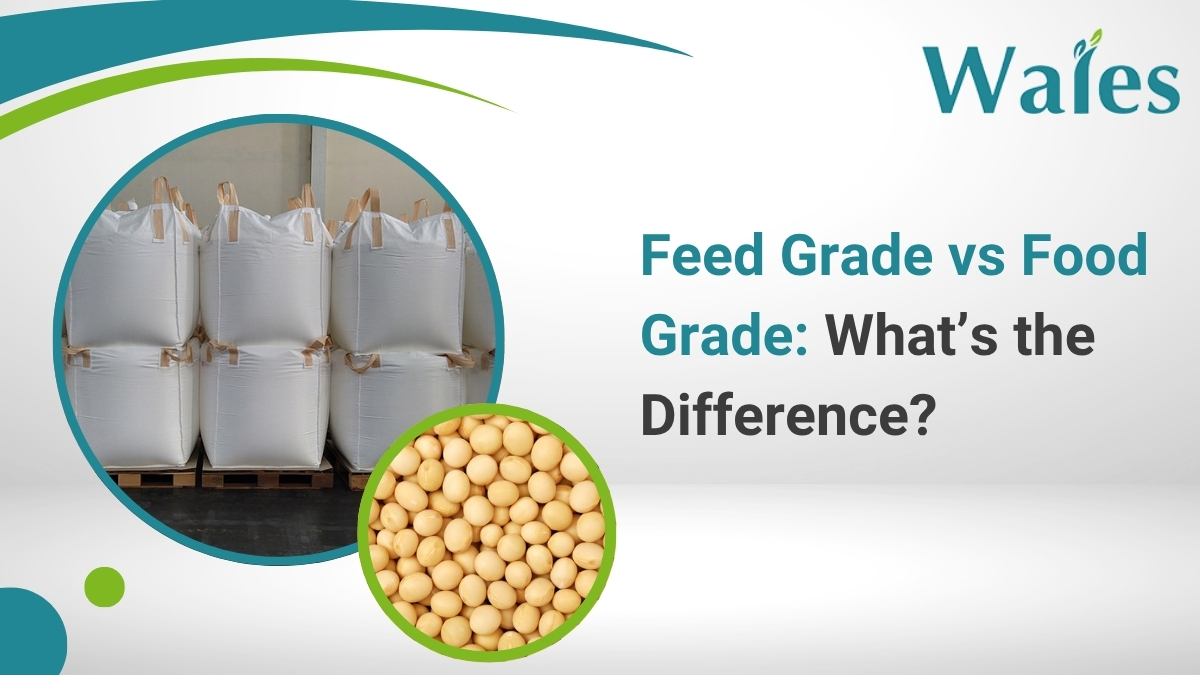
In sectors like agriculture, animal nutrition, food processing, and industrial packaging, understanding the difference between feed grade and food grade materials is imperative. Whether you’re sourcing crude fixings, choosing packaging, or ensuring compliance with regulations, this qualification helps defend both security and effectiveness over supply chains.
Though often confused by those outside the industry, feed grade and food grade FIBC bags have particular definitions, regulatory systems, and utilisation cases. In this article, we’ll explore what each term implies, why the difference matters, and how Australian businesses can make informed choices.
Feed Grade refers to materials and packaging that are animal-safe or can come in contact with animals. Feed grade materials may include materials that may be in, produced, stored, or transported in animal feed for livestock, poultry, fish, or companion animals.
Key Characteristics of Feed Grade:
An example of a feed grade item used in Australia is feed grade FIBC bags used to store and transport feed (e.g., FIBC bags of large bulk feed items, e.g., grains, soybean meal). These materials ensure safety for animals, but don’t need to meet the thorough measures of human food safety.
Food grade is built with the material that prevents contamination and is certified safe for human use or contact with food. The food grade products have to meet outstanding health and cleanliness requirements and are typically assessed for the ability to limit leaching of chemicals into food.
Key Characteristics of Food Grade:
Food grade FIBC bags meant for food items, e.g., flour, sugar, rice, spices, or consumable products, etc., are also produced in very controlled areas that purposely work to minimise contamination, such as when we limit cross-contamination.
So now let’s take a look at the differences between feed grade and food grade materials based on several criteria:
Aspect |
Feed Grade |
Food Grade |
| Application | Production and packaging of animal feed | Production and packaging of human food |
| Purity Standards | Moderate, safe for animals | High level, suitable for human consumption |
| Regulatory Agencies | FSANZ and DAFF (in terms of feed) | FSANZ, HACCP, FSSAI equivalent |
| Testing Requirements | Basic safety and tolerance limits | Testing requirements are rigorous for contamination and migration |
| Cost | Cost-effective | Premium price, requires compliance |
| Packaging Examples | Feed-grade FIBC bags, bulk sacks | Food-grade liners, FIBC bags, storage bins |
Recognizing the difference between feed grade vs food grade is not only essential from a technical standpoint, but it is also a tactical business decision. Here is why:
Utilizing materials outside their intended classification can result in non-compliance, fines, or halted operations. All of the Australian industries must comply with the FSANZ and the DAFF rules and regulations to give widespread assurance to users and not expose themselves to any particular legal consequences.
Making the correct grade of packaging ensures producers keep animals and humans safe. Materials labelled as food grade have safety benefits that are intended to reduce the potential leachable chemicals, microbes, and general safety exposure.
Australian consumers are very concerned with clean, safe, and sustainable supply chains. When using the right grade, companies enhance consumer confidence and brand preservation.
There is no requirement to use food-grade materials for animal feed packaging. On the other hand, using feed grade materials down the human food supply chain could incur significant costs.
Some companies, like bulk companies, are expected to deliver a specific specification to their customers without any question. For example, if you are purchasing both flour and sugar from a bulk supplier, the specification of your end product will require food grade FIBCs (an inner liner), which affects price and quality. When packaging poultry feed or fertilizer, feed-grade may suffice.
Feed Grade Applications:
Food Grade Applications:
Whether you are a grower, food processor, food packager, or food exporter, the process of making an informed decision about the grade involves the following:
The key differences are around end use (i.e., feed vs. food), acceptable levels of purity, and legislative requirements. Feed-grade type materials will be safe and more economical for animal consumption, while food-grade type materials will have the most reasonable assurances of safe human consumption.
The decision between the suitability of either choice cannot be treated lightly. You have to consider legislative compliance, maintaining product integrity, ensuring customer confidence, and cost management. Businesses that associate their packaging strategy with their product needs, maximize their execution, and ultimately their profit.
Wales Industries is a reliable supplier of food grade FIBC bulk bags, liners, and custom packaging solutions to the food and feed industries in Australia. We focus on quality, compliance with regulatory bodies, and most importantly, client satisfaction; we cut through the packaging fuss to help clients fulfil their packaging operations with confidence.
Contact Wales Industries today to find the perfect solution custom-fitted for your industry, whether it be feed-grade sacks for grains or food-grade bulk bags for export packaging.
Australia
 中国 (China)