1300 786 560
 Australia
Australia
Australia
Bulk packaging has its challenges when it comes to protecting sensitive products in bulk. Whether dealing with powdered chemicals, food-grade ingredients, or pharmaceutical products, powdered products can be easily impacted by moisture, air, or contamination, and the quality of the materials becomes compromised. Tubular bulk bag liners are the answer—a dependably effective solution that protects flexible intermediate bulk containers (FIBCs).
In this blog, we’ll take a look at what a tubular bulk bag liner is, how it works, how it can help you, and why they are prevalent in so many industries. Whether you are new to bulk packaging or are engaged in preventing and preserving product quality, you will get the information you need.
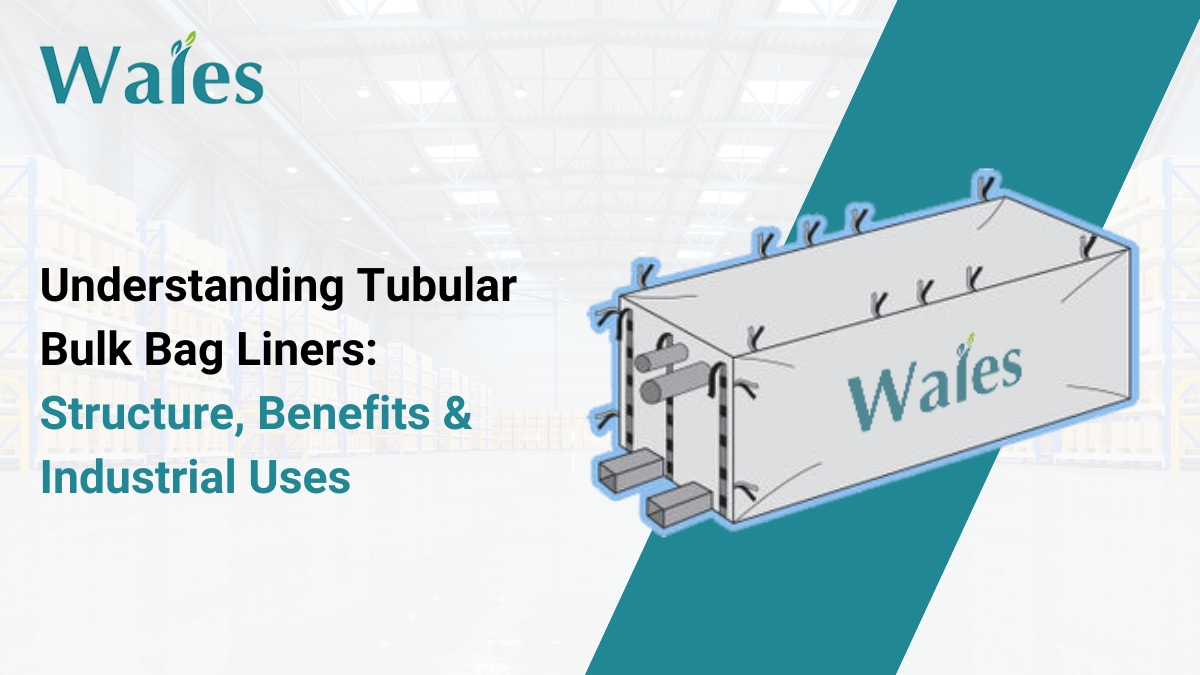
A tubular bulk bag liner is a seamless cylindrical liner shaped like a tube made from polyethylene (PE) or other plastic film that fits in bulk bag (also called a jumbo bag or FIBC) and protects against moisture, air, odor and contamination, while separating the contents from the woven polypropylene bag itself.
In contrast to form-fit liners that closely follow the contour of the bag or baffle liners that maintain a cube-like structure, tubular liners are created from a continuous tube of film. Thus, there are no vertical seams. Tubular liners help minimize the risk of leak or tear when handling fine powders, hygroscopic products, or food items, as there are no seams.
When transporting or storing sensitive products in bulk, while the outer FIBC bag provides strength and support, it does not protect from environmental exposure. Tubular bulk bag liners eliminate that risk by providing the following features:
These tubular liners are critical in industries that rely on hygiene, product safety, and compliance with standards such as FDA or food grade certifications.
Here’s what makes tubular liners stand out:
Because of the continuous tube of film, tubular liners do not have vertical seams, and therefore do not have weak points that may split or leak under pressure.
Most tubular liners are made from LDPE, LLDPE, or high-barrier materials such as EVAH or foiled aluminium, which provide excellent resistance against moisture, oxygen, or odours.
Depending on your application’s needs, tubular liners can be designed with:
Tubular liners are designed to work with standard FIBCs, 1-loop FIBCs, 2-loop FIBCs, and even UN-certified FIBCs for use with hazardous goods.
Used for packaging sugar, flour, starch, milk powder, and other finer powders to keep them moisture-proof and clean.
Isolation of sensitive powders or reactive powders from the woven fabric of the bag reduces the potential chemical reaction or degradation.
Used for seed storage, fertilizers, or animal feed, where hygiene and freshness are very important.
Keeps materials like cement or lime fresh and avoids exposure to humidity for shipping or storage.
Feature |
Tubular Liner |
Form-Fit Liner |
Baffle Liner |
| Construction | Seamless tube | Shaped to match the bag | Includes corner baffles |
| Strength | High (no seams) | Good | Excellent |
| Shape Retention | Moderate | High | Very High |
| Ideal For | Powders, dry foods | Liquids, sensitive goods | Dense stacking needs |
| Customization | Medium | High | High |
Even though each liner has its benefits, tubular liners are generally less complicated, stronger, and more versatile.
One of the biggest advantages of tubular liners is their ability to prevent your product from mixing with moisture. This is critical for products that absorb humidity, clump together, or break down when exposed to air.
Since some industries have reused bulk bags, the inner liner can act as a clean, single-use product barrier, allowing products to avoid any potential contaminants from previous use.
A tubular liner can be made out of FDA-approved materials for food contact or specially made using pharmaceutical-grade materials, thus allowing for its use in regulated industries.
The liner helps to protect your product, but it also enables your product to be more easily filled or discharged due to a decrease in static and friction; this is specifically valuable for fine powders or granulated products.
Using a tubular liner can enhance the reuse ability of the outer FIBC bag, which will reduce waste and total packaging costs in the long run.
Before looking for tubular liners, take into consideration:
When working with a knowledgeable bulk packaging provider, you will be assured that all of these options are considered and optimized for your operational requirements.
Tubular liners also provide value to a sustainable packaging operation:
As companies globally find ways to reduce their carbon footprint, being mindful to select recyclable and efficient liners is one step in the right direction.
Tubular bulk bag liners are a low-cost, effective way to package bulk commodities when clean, dry, and contamination-free packaging is necessary. Tubular liners have no seams, barrier protection, and provide unlimited customization options on many products. Tubular liners are in high demand in various industries, avoiding moisture or pathogen contamination from food to chemicals, for example, and pharmaceuticals and agricultural products.
If you’re even storing powders, granules, and sensitive materials, tubular liners assure that your product stays intact and compliant with industry standards.
Wales Industries makes and supplies numerous high-quality tubular bulk bag liners for your industry. Whether you’re in food processing, chemicals, or pharmaceuticals, we have tubular liners that secure your product for the duration of the supply chain.
Contact Wales Industries now to talk about the specifications of your liners and get the right bulk bag liner for your packaging!
Australia
 中国 (China)