1300 786 560
 Australia
Australia
Australia
Managing industrial waste is not easy. Construction sites, factories, mining operations, and chemical plants deal with large volumes of heavy waste every single day.
Moving it safely, keeping costs down, and doing it in a way that does not harm the environment is a constant challenge for site managers and operations teams.
Recycling bulk bags has become a popular solution for this across Australia. They are strong, reusable, and straightforward to use.
Here are 10 reasons why so many industrial businesses have made them a regular part of their waste management process.
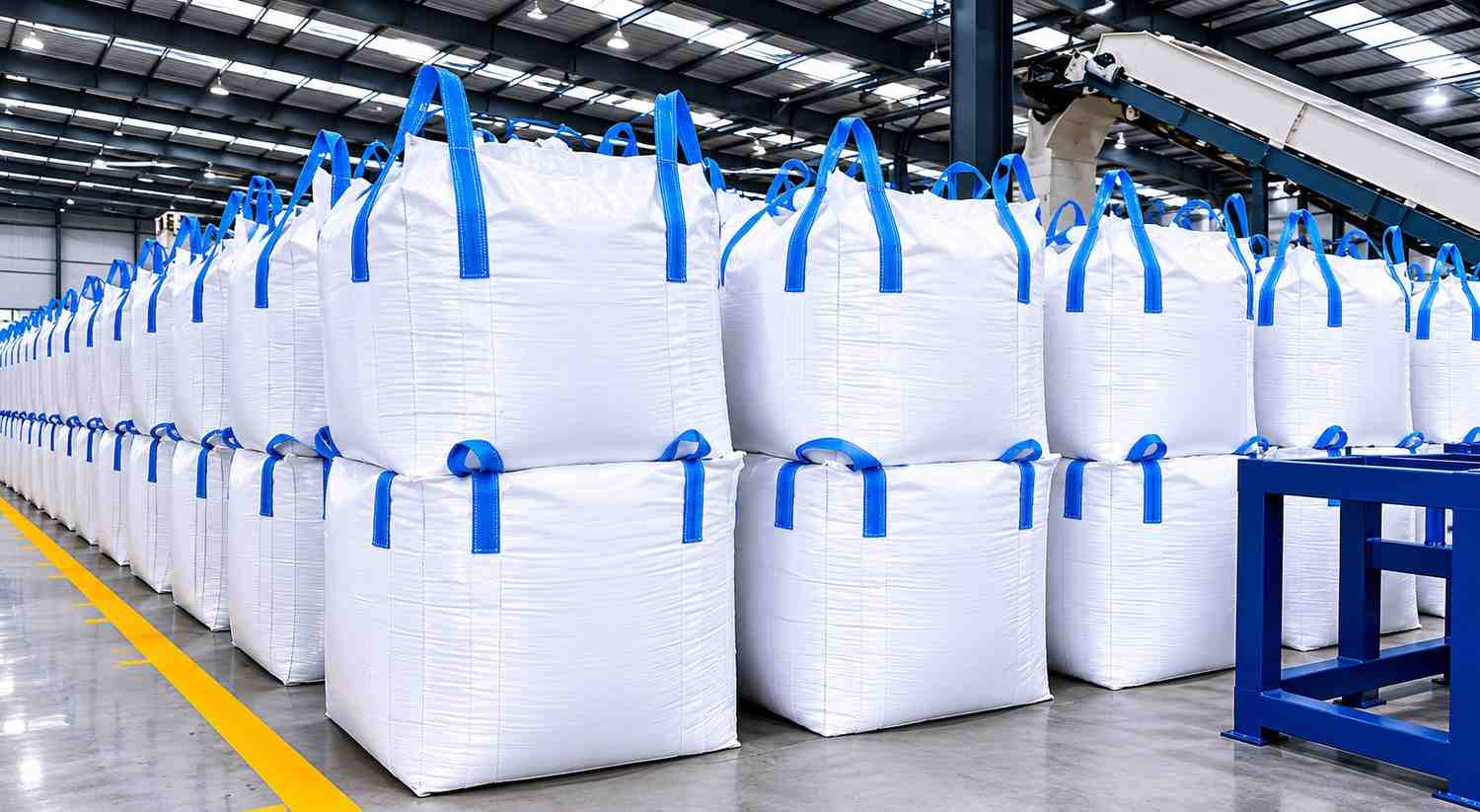
Recycling bulk bags, also known as FIBC bags or Flexible Intermediate Bulk Containers, are large woven polypropylene bags used to hold, store, and move heavy industrial waste. Common materials they carry include sand, rubble, gravel, plastic scrap, chemical by-products, and shredded waste.
Unlike single-use packaging, these bags are built to last. They can be cleaned, folded flat, and reused across multiple jobs, which makes them a cost-effective and practical packaging choice for industrial operations.
A standard recycling bulk bag carries between 500 kg and 1.5 tonnes. That kind of capacity means:
The more times a bag gets reused, the less each use costs. Businesses handling waste on a regular basis save a significant amount on packaging compared to buying disposable options week after week. Across a full year, that saving is very real.
When different materials go into separate bulk bags, waste arrives at processing facilities already sorted. Sorted waste gets recycled far more often than mixed waste dumped into a single skip. Using recycling bulk bags is one of the simplest ways a business can send less waste to landfill.
Heavy waste is a manual handling hazard. Recycling bulk bags reduces that risk because:
An empty recycling bulk bag folds down flat and takes up very little space. A large stock of bags can sit in a small corner of a warehouse without getting in the way. This is a useful benefit for congested places with little room for storage.
There are bulk bags for recycling that can be used in multiple industries and waste types:
Just one type of bulk bag can be used for multiple purposes, making buying easier.
Using recyclable bulk bags instead of disposable containers will go a long way towards minimizing your company’s environmental impact. It is not just a policy on paper. It shows up physically in how waste is handled every day on site, and it is something clients, regulators, and staff all notice.
Not every waste load is the same. Bulk recycling bags may be customized according to:
Proper selection of bulk bags is critical in ensuring an efficient process.
Bulk recycling bags are stacked well on a pallet and load easily into vehicles for transport. In combination with a good quality container liner supplier system, the bags ensure that no spillages take place when transporting the material.
Some of the advantages are:
A bag that fails under load is a serious safety risk. Quality recycling bulk bags go through testing for tensile strength, tear resistance, and durability before leaving the factory. Businesses know exactly what the bag can handle before a single load goes in.
Wales Industries has been supplying FIBC bulk bags to Australian businesses since 2016. Starting out focused on quality and reliable delivery, the company has grown steadily and now serves more than 500 customers while shipping over 1.5 million products every year.
With offices in Victoria and Queensland and same-day shipping from warehouses across the country, Wales Industries reaches businesses in Sydney, Melbourne, Brisbane, Perth, Adelaide, Hobart, and everywhere in between.
As a trusted recycling bulk bags supplier, the product range covers everything an industrial business needs:
Wales Industries is also a well-regarded container liners supplier. These liners drop inside standard 20 and 40-foot shipping containers and turn them into bulk transport systems in about ten minutes.
They work well for fine powders, granules, and loose bulk materials that need protection from moisture or contamination during shipping.
The company has built a loyal client base across industries, including mining, construction, chemicals, agriculture, food processing, and pharmaceuticals. Clients like Wales Industries because:
Over 10 years of experience means problems get solved before they become problems
Recycling bulk bags is a straightforward solution to a very common industrial problem. They cost less over time, keep workers safer, reduce landfill contributions, and make transport more efficient.
For any business generating regular volumes of industrial waste, switching to recycling bulk bags is a practical decision that pays off quickly.
To talk to the Wales Industries team about recycling bulk bags or container liner options, call or email them for more information.
Australia
 中国 (China)