1300 786 560
 Australia
Australia
Australia
If your business moves bulk materials regularly, packaging is something you need to get right. One bad bag can mean spilled product, wasted money, or someone getting hurt on site.
That is why choosing the right manufacturer for your 4 loop FIBC bags is so important. This guide covers the key things to check before you pick a supplier.
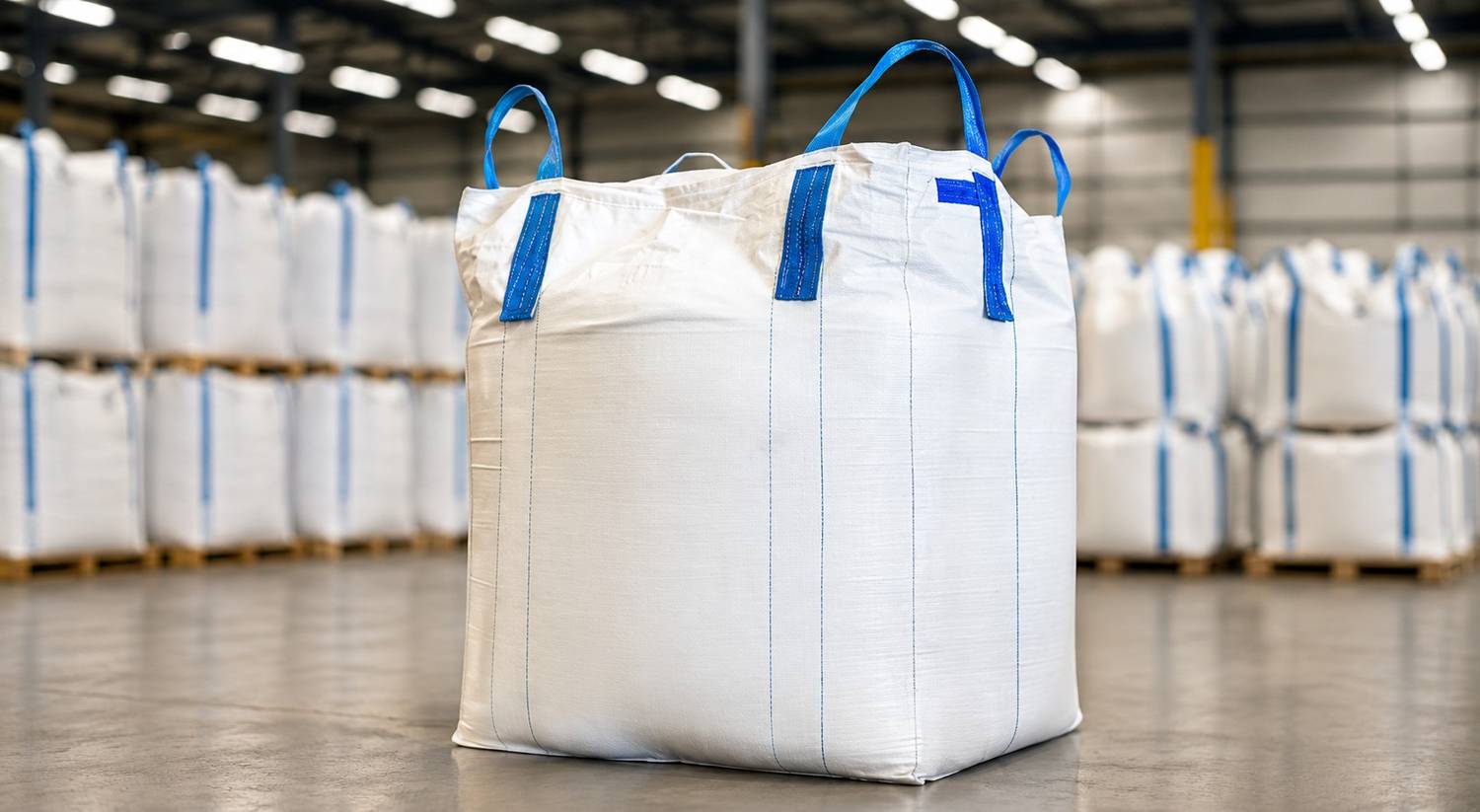
A 4 loop FIBC bag is a large woven polypropylene bag built to carry heavy bulk loads. The four loops, one at each corner, allow forklifts and cranes to lift the bag from all sides. That four-point lift keeps the load balanced and reduces the chance of tipping or swinging during transport.
These bags are used in construction, farming, food production, and manufacturing. They carry materials like cement, grain, flour, fertilizer, seeds, chemicals, and pet food. They hold anywhere from 500 kg to 2000 kg, depending on how they are built.
Walk into any industry, and you will find bags that look the same on the outside but perform very differently once they are under load. Some manufacturers use thinner fabric. Others skip proper testing. When you are moving heavy loads on a busy site that difference matters.
A manufacturer worth working with will give you a bag that handles the conditions you work in. They will also be upfront about load ratings, certifications, and what they can or cannot do for your specific job.
This is where to start. ISO 21898 is the standard most people reference for FIBC bags. If you are in food production, BRC and HACCP certifications come into the picture. For hazardous goods, you need UN-certified bags.
These are not just stamps on a product sheet. They mean the bags went through real testing and passed set requirements for strength and safety.
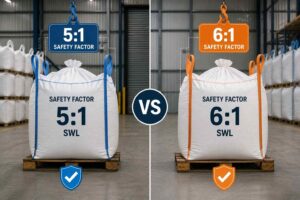
Ask the manufacturer what load range their bags cover and what safety factors they work to. A 5:1 safety factor is the standard for single-trip bags. Multi-trip bags and UN bags need a 6:1 safety factor. If a supplier is vague about these numbers, that is worth noting.
A bag that does not fit your process wastes time and money. Before choosing a manufacturer, check what they can do for you in terms of:
If they only do standard bags, they may not be the right fit for your operation.
Some suppliers manufacture in-house. Others source from third parties and put their name on it. In-house manufacturing means they control the process from start to finish.
That usually means better consistency, fewer quality issues, and someone who can actually answer your questions about how the bag is made.
A manufacturer who has worked across construction, food, agriculture, and chemicals understands what each of those industries actually needs from a bag. That experience shapes better advice and fewer wrong turns when you are trying to find the right product.
Your packaging needs rarely stop at one product. If your supplier also carries BOPP bags, PP woven sacks, container liners, ventilated bags, and other packaging options, that is genuinely useful.
One supplier for multiple products means fewer contacts, fewer purchase orders, and less time spent chasing deliveries.
A manufacturer sitting on good stock with warehouses close to you can turn an order around quickly. That matters when your operation runs on a tight schedule, and you cannot afford to wait weeks for bags to arrive.
Wales Industries has been in the bulk packaging business since 2016. Based in Australia and serving clients across the country and in New Zealand, they have built their name on delivering quality bags on time and without fuss. With over 10 years of hands-on experience and full in-house manufacturing, they know this product inside and out.
Every bag from Wales Industries is built to a standard, not just a price point. Their certifications include:
Wales Industries does not push a standard product on everyone. They work with each client to build bags around the job.
Their 4 loop FIBC bags can be set up with PE or aluminium inner liners, different top and bottom configurations, UV-stabilized fabric, and custom printing in up to four colors.
Clients across construction, agriculture, food processing, pharmaceuticals, and chemical industries rely on their bags for materials like grain, cement, flour, fertilizer, seeds, and chemicals.
Wales Industries is also a recognized BOPP bags manufacturer. Their full product range means you can source most of your packaging from one place:
That kind of range makes them a proper packaging partner, not just a bag supplier.
Wales Industries has warehouses in Victoria and Queensland and delivers to businesses across Sydney, Melbourne, Brisbane, Perth, Adelaide, Hobart, and everywhere in between.
They have served more than 500 customers and supply around 1.5 million products every year.
Finding the right manufacturer for your 4 loop FIBC bags is not about picking whoever quotes the lowest price. It is about finding a supplier who knows the product, can back it up with proper certifications, and has the flexibility to meet your specific needs.
Check the certifications. Ask about load ratings. Find out how they manufacture and what else they can supply. Those questions will quickly tell you who is worth dealing with and who is not.
Australia
 中国 (China)